Now Hiring! Join Our Team – Apply Today
Metal Fabricators in South Boston, VA
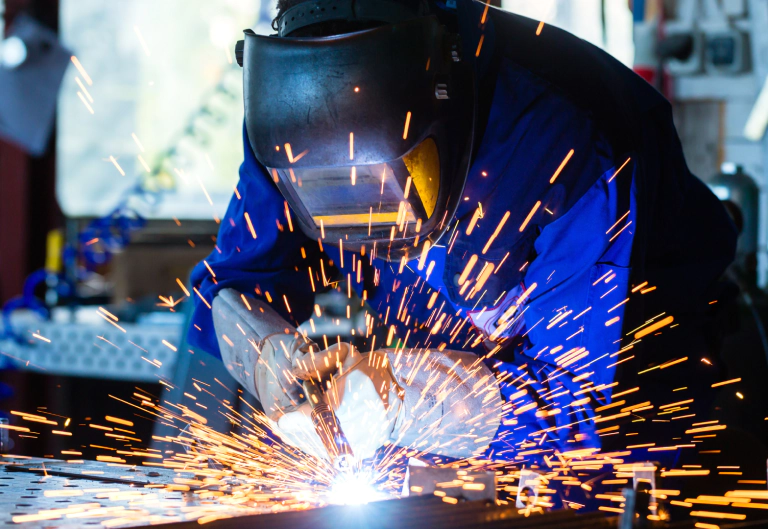
Find Quality Metal Fabrication in South Boston, VA
Your Guide to Choosing Local Shops
Finding the right metal fabricator starts with understanding what separates quality providers from those who cut corners. When searching for a metal fabricator, you need to evaluate several critical factors that directly impact your project’s success, timeline, and budget.
Start by examining credentials and certifications. Reputable fabricators hold certifications from recognized organizations such as the American Welding Society (AWS), which demonstrates adherence to industry standards. These credentials are not just paperwork; they reflect a commitment to quality and safety. Ask about specific certifications relevant to your project, whether it involves structural steel, pressure vessels, or precision aluminum work.
Experience matters significantly in metal fabrication. A shop with years of hands-on work has encountered countless challenges and developed solutions that only time can teach. Look at their portfolio to see if they have completed projects similar to yours in scope and complexity. Photos of finished work tell you about their attention to detail, while client testimonials reveal how they handle communication, deadlines, and unexpected issues.
Equipment capabilities directly affect what a fabricator can deliver. Modern shops should have a range of tools including MIG and TIG welding equipment, plasma cutters, press brakes, and shears. More importantly, they should have the right equipment for your specific material, whether you are working with carbon steel, stainless steel, or aluminum. Ask about their capacity for both small custom pieces and larger production runs.
Local reputation provides invaluable insight. Check online reviews, but also ask around in your community. In South Boston, VA, word travels quickly about which shops deliver on their promises and which create headaches. A fabricator with deep local roots has a vested interest in maintaining their reputation because their business depends on repeat customers and referrals.
Turnaround time is another essential consideration. Quality fabricators provide realistic timelines and meet them consistently. Be wary of promises that sound too good to be true; rushing complex metalwork often leads to poor results. A shop that clearly explains their process and gives you a detailed timeline demonstrates professionalism and planning capability.
Common Metal Fabrication Services You May Need
Metal fabrication encompasses a broad range of services, each addressing specific needs for residential, commercial, and industrial clients. Understanding these services helps you communicate your requirements clearly and ensures you select a fabricator with the right expertise.
Welding and fabrication services form the foundation of most metalwork projects. This includes joining metal components using various techniques such as MIG, TIG, and stick welding. Each method suits different materials and applications. For example, TIG welding excels at precision work on stainless steel and aluminum, while MIG welding offers speed for thicker carbon steel projects. Custom fabrication allows you to turn design concepts into reality, whether you need decorative railings, structural supports, or specialized machinery components.
Equipment repair services keep industrial operations running smoothly. Manufacturing plants, food processing facilities, and agricultural operations rely on metal equipment that experiences wear from constant use. Skilled fabricators can repair broken machinery parts, reinforce weakened structures, and even reverse-engineer replacement components when original parts are unavailable or prohibitively expensive. South Boston shops often handle equipment repairs for local textile operations, warehouses, and production facilities that cannot afford extended downtime.
Steel erection services handle the installation of structural steel frameworks for buildings, bridges, and industrial structures. This specialized work requires not only fabrication skills but also knowledge of engineering principles, load requirements, and safety protocols. Erectors must coordinate with general contractors, engineers, and inspectors to ensure every beam, column, and connection meets specifications.
Welding inspection provides an extra layer of quality assurance for critical projects. Certified welding inspectors examine completed work to verify it meets design specifications and industry standards. This service is particularly important for structural work, pressure vessels, and any application where weld failure could result in serious consequences. Inspections document compliance and provide the documentation required by building departments and insurance companies.
Aluminum fabrication addresses projects requiring lightweight yet strong materials. Aluminum resists corrosion, making it ideal for outdoor installations, marine applications, and food processing equipment. Working with aluminum requires different techniques than steel, so verify your fabricator has specific experience with this material if your project calls for it.
Fabrication services also include cutting, bending, and forming metal into precise shapes. Modern shops use CNC plasma cutters and press brakes for accuracy that hand tools cannot match. These capabilities allow fabricators to produce consistent results across multiple pieces, essential for architectural features or production runs.
Why Choosing Local Matters for Your Project
Selecting a local metal fabricator offers tangible advantages that distant providers simply cannot match. These benefits extend beyond convenience to impact your project’s quality, timeline, and overall success.
Faster turnaround times represent one of the most significant advantages. When your fabricator is located nearby, you eliminate shipping delays that can add days or weeks to a project. If you need to inspect work in progress, discuss modifications, or pick up completed items, you can do so without coordinating long-distance logistics. For time-sensitive projects such as equipment repairs that halt production, proximity can mean the difference between hours of downtime and days of lost revenue.
Communication improves dramatically when you can meet face-to-face. While phone calls and emails work for routine updates, nothing replaces the clarity of standing in a shop, looking at your project together, and discussing details in real time. This direct interaction reduces misunderstandings, allows for immediate course corrections, and builds the working relationship necessary for complex or ongoing projects.
Local fabricators understand regional standards, building codes, and common project types in South Boston, VA. They work regularly with local contractors, builders, and plant managers, which means they are familiar with the specifications and expectations that govern work in this area. This regional knowledge helps them anticipate requirements and avoid issues that might surprise an out-of-town shop.
Seasonal patterns also play a role in local fabrication work. In South Boston, VA, agricultural and industrial operations often schedule equipment maintenance during slower production periods, creating predictable busy seasons for fabrication shops. A local provider understands these rhythms and can help you plan projects around them, ensuring timely completion without unnecessary delays. Additionally, the humid Virginia climate requires specific considerations for outdoor metalwork, particularly regarding rust prevention and protective coatings. Local fabricators account for these environmental factors in their material selection and finishing processes.
Supporting local businesses strengthens your community’s economic foundation. Money spent at local shops recirculates through the area, supporting jobs, families, and other businesses. Local fabricators often sponsor youth sports teams, participate in community events, and contribute to the social fabric that makes a town more than just a place on a map. When you work with a local provider, you are investing in your own community’s prosperity.
Accountability matters more when reputation is local. A fabricator who lives and works in the same community as their customers has powerful incentives to deliver quality work and stand behind it. Their reputation depends on satisfied customers who recommend them to neighbors, colleagues, and friends. This creates a level of commitment that transactional, distant relationships rarely achieve.
Questions to Ask Before Hiring a Metal Fabricator
Asking the right questions before committing to a metal fabricator protects your investment and sets clear expectations. These inquiries separate professional shops from those who may lack the credentials, experience, or integrity to deliver satisfactory results.
Start with licensing and insurance: Are you licensed and insured for metal fabrication work? Proper insurance protects you from liability if accidents occur on your property or during installation. General liability coverage should be standard, and workers’ compensation insurance protects you from claims if someone is injured while working on your project. Request proof of current coverage and verify it with the insurance carrier if the project is substantial.
Experience with similar projects matters: Have you completed projects like mine before? Ask for specific examples and, if possible, references you can contact. A fabricator who has successfully delivered work similar to yours brings valuable knowledge about potential challenges, realistic timelines, and appropriate solutions. Photos of past work provide visual evidence of their capabilities and attention to detail.
Timeline questions establish realistic expectations: What is your estimated timeline from start to completion? How do you handle delays? Understanding the fabrication schedule helps you plan around it. Also ask what factors might extend the timeline, such as material availability, complexity discoveries, or weather for outdoor installations. A transparent fabricator discusses these possibilities upfront rather than surprising you later.
Cost and payment structure require clarity: Can you provide a detailed written estimate? What does the price include? Are there potential additional costs? Written estimates protect both parties by documenting agreed-upon scope and pricing. Understand what is included in the base price versus what costs extra. Ask about payment terms and whether a deposit is required. Be cautious of demands for large upfront payments before work begins, but understand that material purchases may require some advance funding.
Warranty and guarantee policies demonstrate confidence: Do you warranty your work? What does the warranty cover and for how long? Reputable fabricators stand behind their work with warranties that cover defects in materials and workmanship. Understand what actions might void the warranty and what process you should follow if problems arise.
Material sourcing affects both quality and cost: Where do you source your materials? Can you accommodate my material specifications? Some projects require specific grades of steel or aluminum. Verify the fabricator can obtain the materials your project requires and that they purchase from reputable suppliers who provide material certifications when needed.
For those searching for a welding company in South Boston, VA, asking about specific capabilities helps narrow options: What welding processes do you use? Which materials do you regularly work with? This ensures alignment between your project requirements and their expertise.
Getting Started: Next Steps to Find Your Fabricator
Taking action on your metal fabrication project becomes straightforward once you understand what to look for and what questions to ask. Following a systematic approach helps you make informed decisions and connect with a fabricator who meets your needs.
Define your project clearly before contacting fabricators. Write down what you need, including dimensions, materials, quantity, intended use, and any special requirements such as finish, portability, or weight restrictions. If you have drawings, sketches, or photos of similar work, gather these materials. The more clearly you can describe your project, the more accurate the estimates you will receive. For complex or technical projects, consider having basic engineering specifications prepared, as this removes ambiguity and helps fabricators provide precise quotes.
Request estimates from multiple fabricators. While price should not be your only consideration, comparing several quotes helps you understand the market rate and identify outliers. When requesting estimates, provide the same information to each shop so you are comparing equivalent proposals. Pay attention not only to the bottom-line price but also to what each estimate includes, the proposed timeline, and payment terms. A slightly higher bid that includes delivery, installation, and a longer warranty may offer better value than the lowest price.
Compare your options systematically. Create a simple comparison that lists each fabricator’s price, timeline, warranty, credentials, and your impression from interactions. Consider factors beyond numbers: Did they respond promptly? Did they ask thoughtful questions? Did they offer suggestions that demonstrated understanding of your project? These intangible elements often predict how smoothly the working relationship will proceed.
Verify credentials before making a final decision. Check that licenses are current, confirm insurance coverage, and follow up with references if the project is significant. A few phone calls now can prevent major problems later. Look for online reviews, but remember that every business occasionally receives unfair criticism. Look for patterns in reviews rather than fixating on individual complaints.
Make your decision and communicate clearly. Once you select a fabricator, confirm all details in writing. A simple contract or detailed work order should specify the scope, materials, timeline, price, payment schedule, and warranty. This documentation protects both parties and provides a reference if questions arise during the project.
Most local fabricators offer free estimates and welcome the opportunity to discuss your project. Taking the time to connect with qualified professionals in South Boston, VA ensures your metalwork meets your expectations and serves you reliably for years. Whether you need custom gates, equipment repairs, structural steel, or specialized components, starting with clear communication and the right questions leads to successful outcomes.
If you are ready to discuss your metal fabrication needs, consider contacting a local fabricator to schedule a consultation. A brief conversation can clarify your options, establish realistic expectations, and start the process of transforming your concept into durable, quality metalwork.